.png)
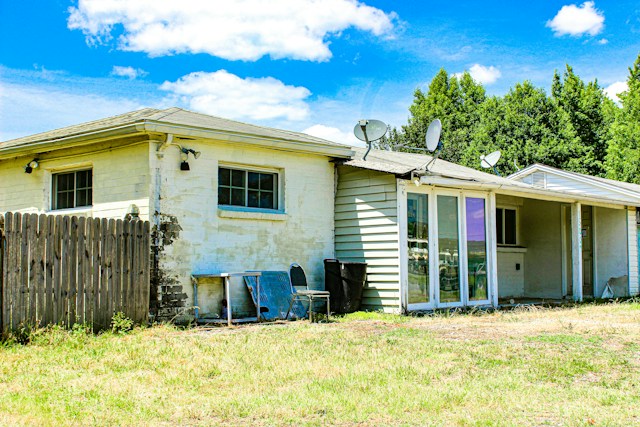

Old, dated, and still holding up
It's a weatherboard on stumps from the 1950s, with an original bathroom and a couple of leftover paint choices: one bedroom green, another pink.
I bought it in 2022 for $410,000.
A property like this gets discounted on sight. Dated finishes read as a liability, and the instinct is to mark it down or walk away before anything else gets assessed.
That instinct answers an emotional question: how the property feels to walk through. The question that matters is structural and locational.
Since settlement, maintenance has been minimal. A few things have come up, as they do with any property, but nothing that changed the case for holding it. Cotality's automated valuation estimates it at $740,000 as at September 2026. That's an estimate, not a sale, and one property's past movement says nothing about what happens next in any other.
The wall colours and the bathroom don't explain that number. I can't cleanly separate how much came from the location and how much from the wider market over the same four years, so I treat it as one data point, not proof of either.
Cosmetic condition is a lever you pull at resale. It changes what a property looks like when you sell it. It does less to change whether it was a good buying decision than most buyers assume. Over a long hold, growth tends to come from location and fundamentals compounding. A new kitchen changes neither.
Here's the filter I use instead of a first impressions read. Structural soundness, layout, land, and location fundamentals go in one category, and that's where the buying decision gets made. Wall colour and dated fixtures go in a second category with everything else purely cosmetic. That's a lever you can pull later, at exit, if it's worth pulling at all.
Clients tell me they don't want to buy older properties because they assume no one else will want them either. Usually that's a projection of their own reaction to the photos, not evidence about demand in that location. The instinct is fair when the location itself is weak, but that's a different problem with a different filter.
Dated finishes don't guarantee an outcome, and they don't rule one out. They tell you very little.
The trade-off: what you gain is a wider pool of properties, including ones other buyers dismiss on sight. What you give up is a finished, photogenic property from day one. You also take on the job of confirming it's structurally sound through a building and pest inspection, because the build year won't tell you. This only works when the fundamentals hold. If they don't, ignoring the cosmetics won't rescue the decision.
The rule I use: don't rule a property out on appearance until I've checked it's structurally sound and sitting in a location that carries the weight. Appearance can be changed after settlement. Location can't.
Get the property decision framework. One idea every Sunday and Thursday. No hype. No hotspots. Just structured thinking for investors who want clarity before they commit.
Sign Up Here
If you want to work through how this applies to your current position, book a discovery call here.
Book a Discovery Call
Disclaimer: The information in this article is general in nature and does not take into account your personal objectives, financial situation, or needs. It is not financial, legal, or tax advice. The Nelis Group accepts no liability for actions taken based on this content. You should seek independent advice from a relevant licensed professional before making any decisions and always confirm the latest rules and thresholds with your state revenue office or relevant authority.


.png)